Clurasense
Weather stations built for agri-photovoltaic plants.
- Timeline
- Oct 2025 — Present
- Status
- Active
- Domain
- Hardware / Agritech
- Role
- Design, firmware, deployment
- Measures
- 6 sensors, 12 parameters
- Stack
- OEM sensor suite, custom metal mounting system, full web application
- Links
- Site
The Build
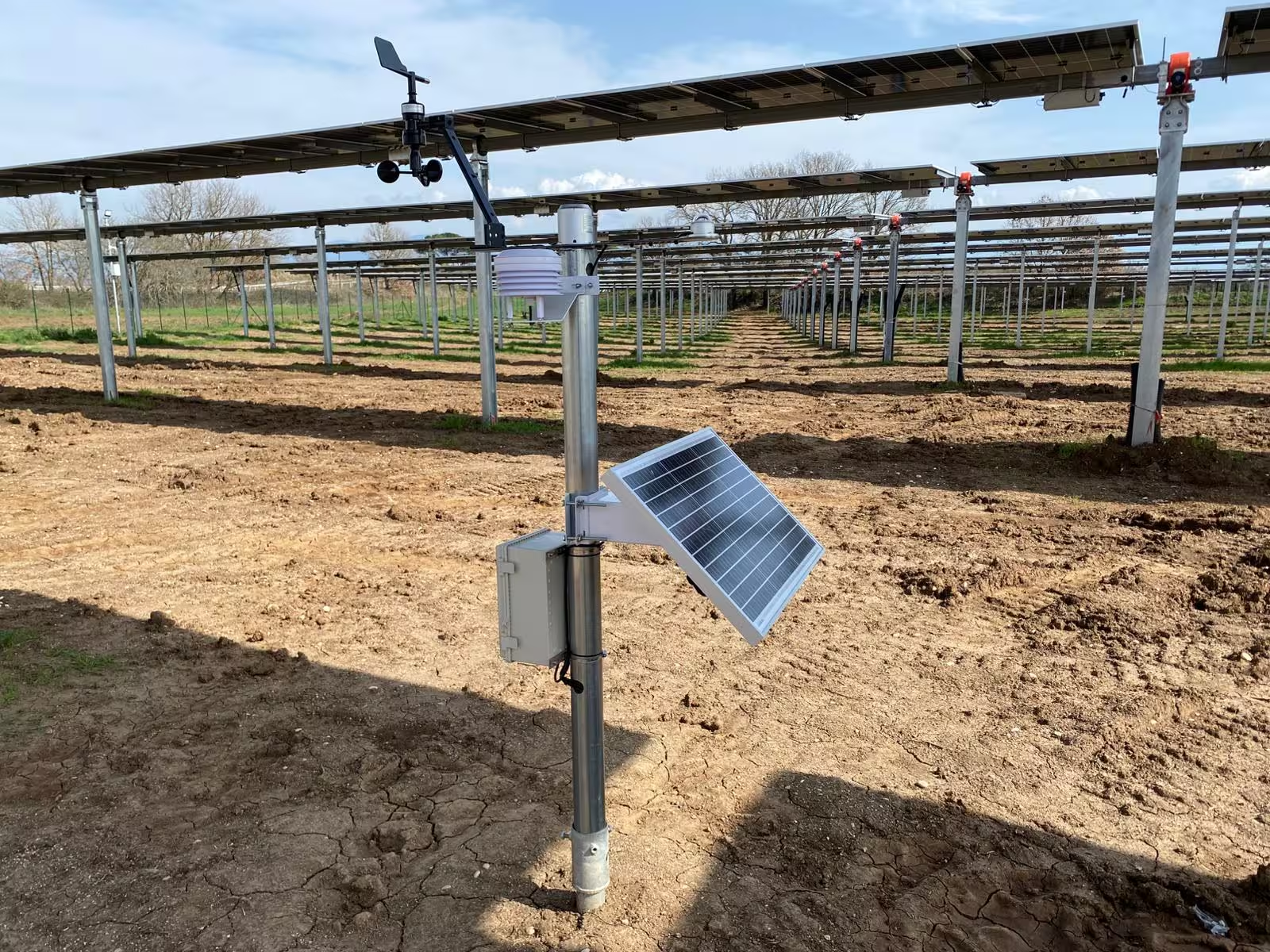
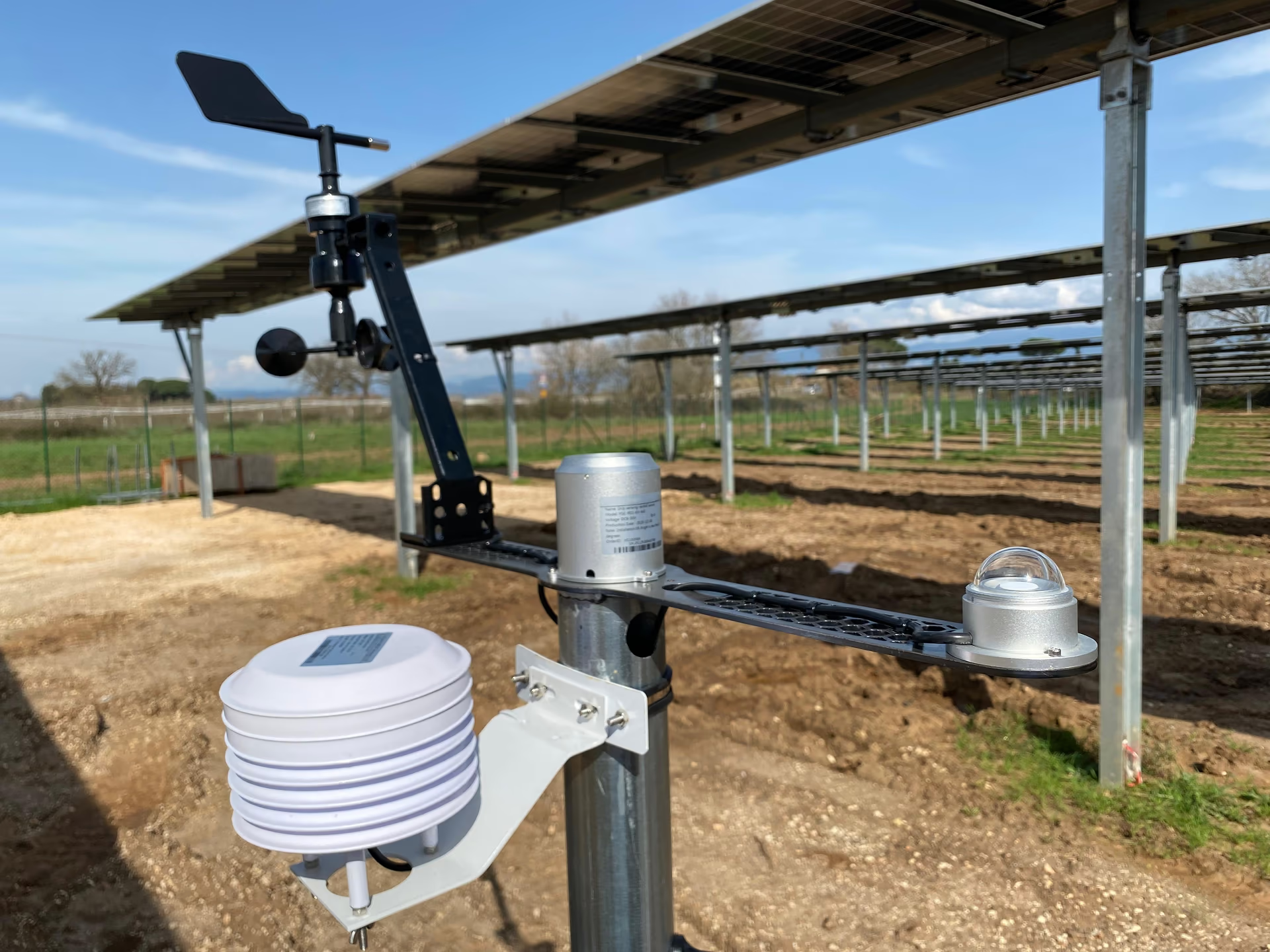
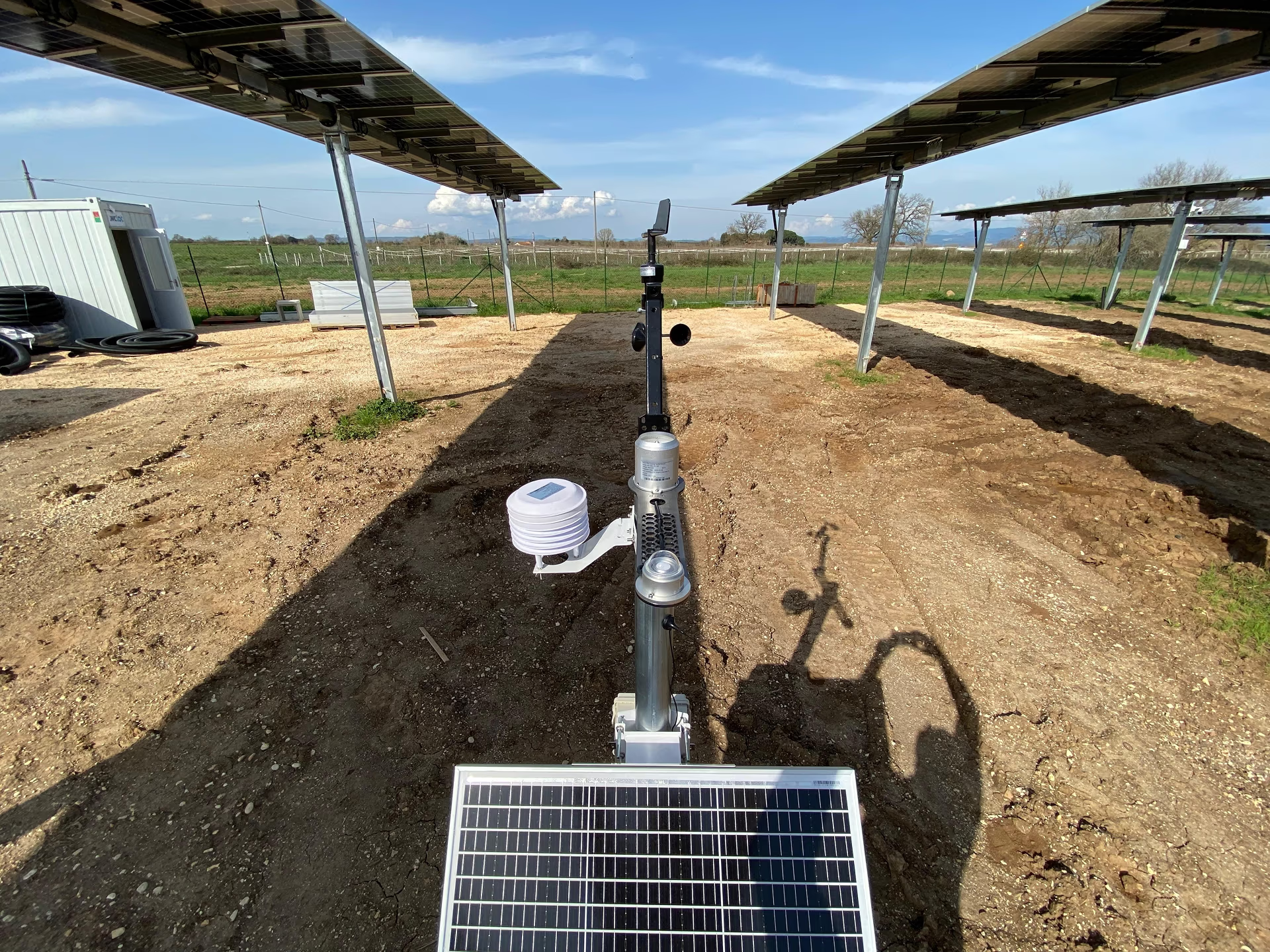
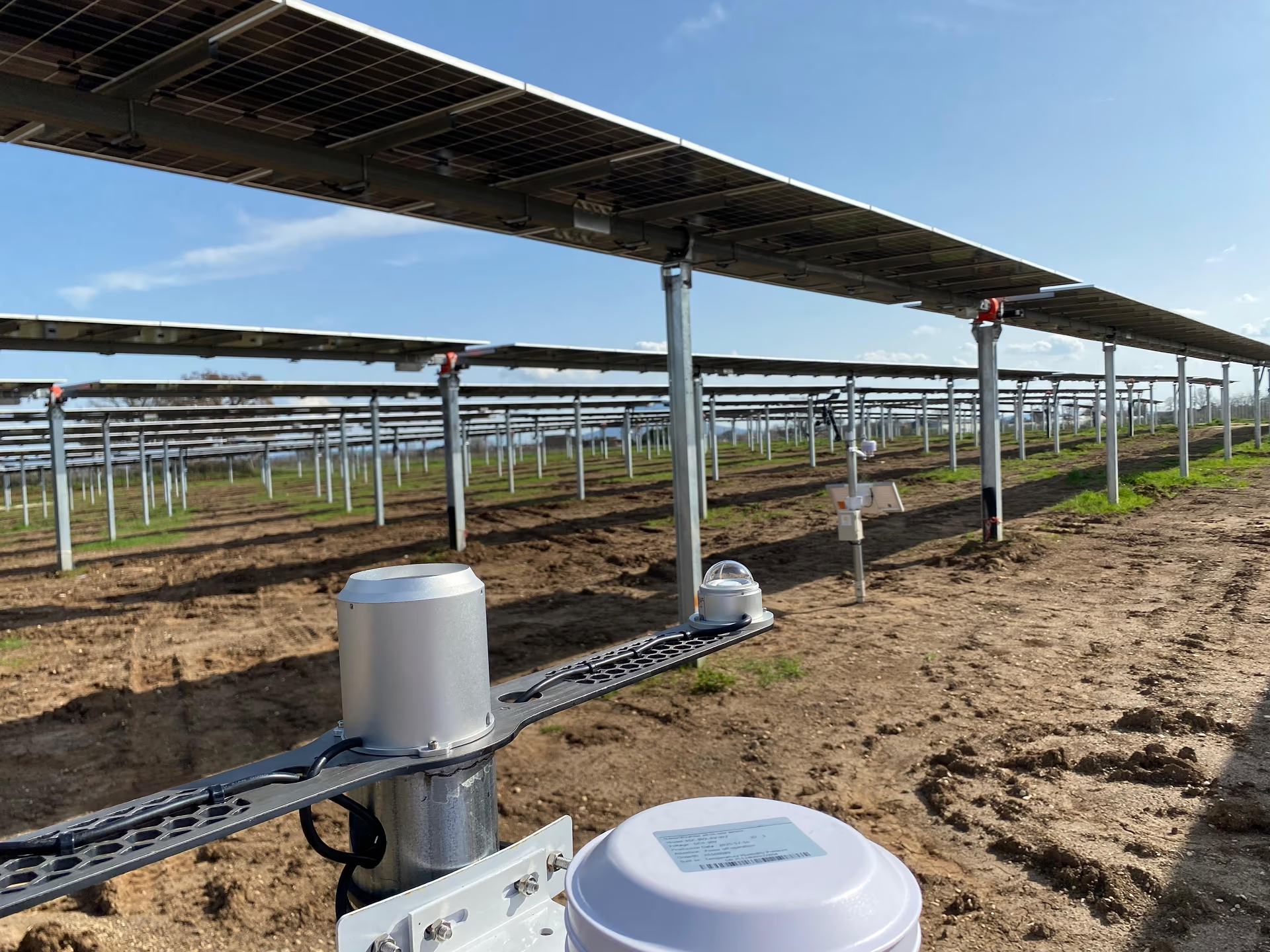
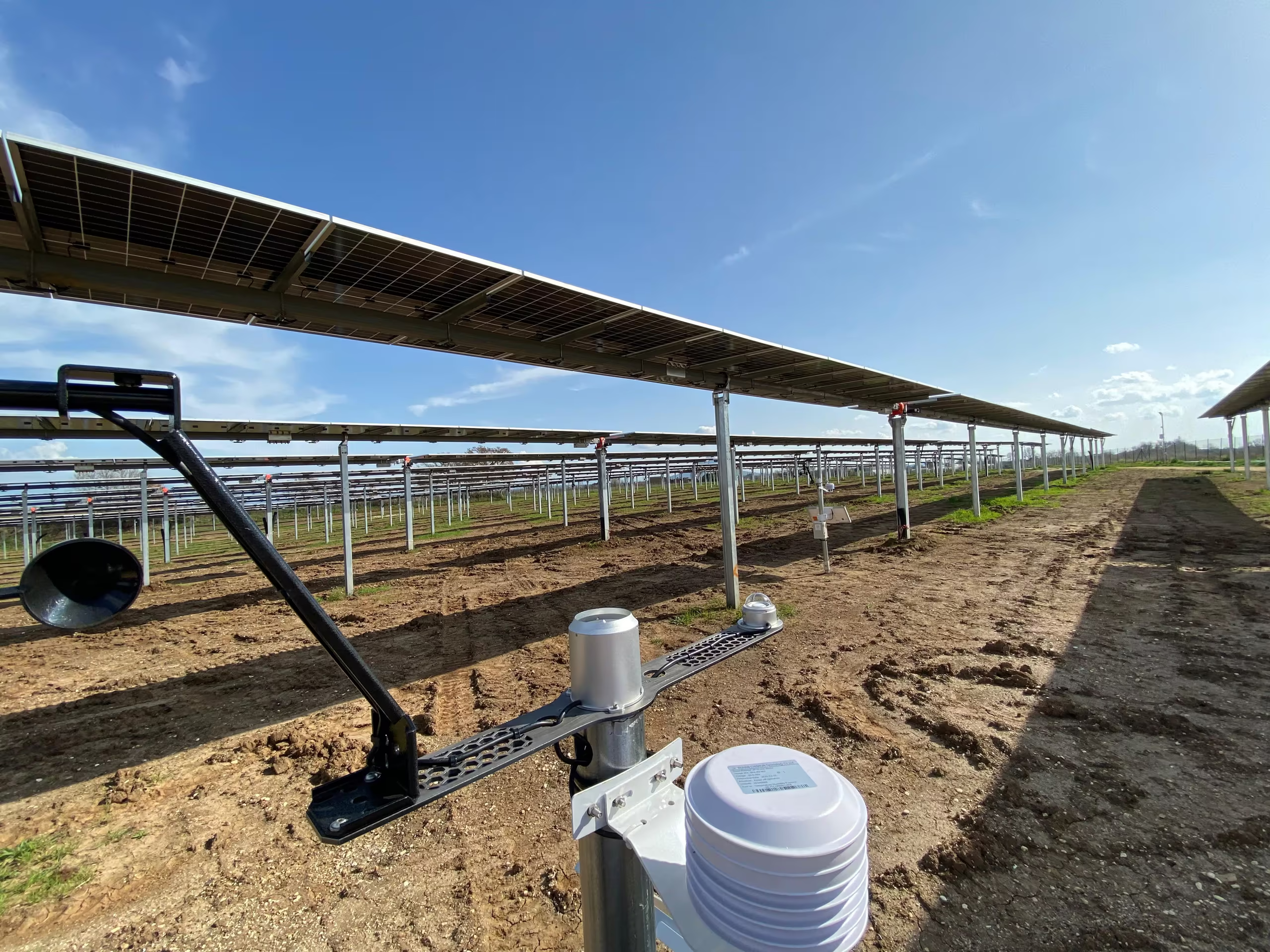
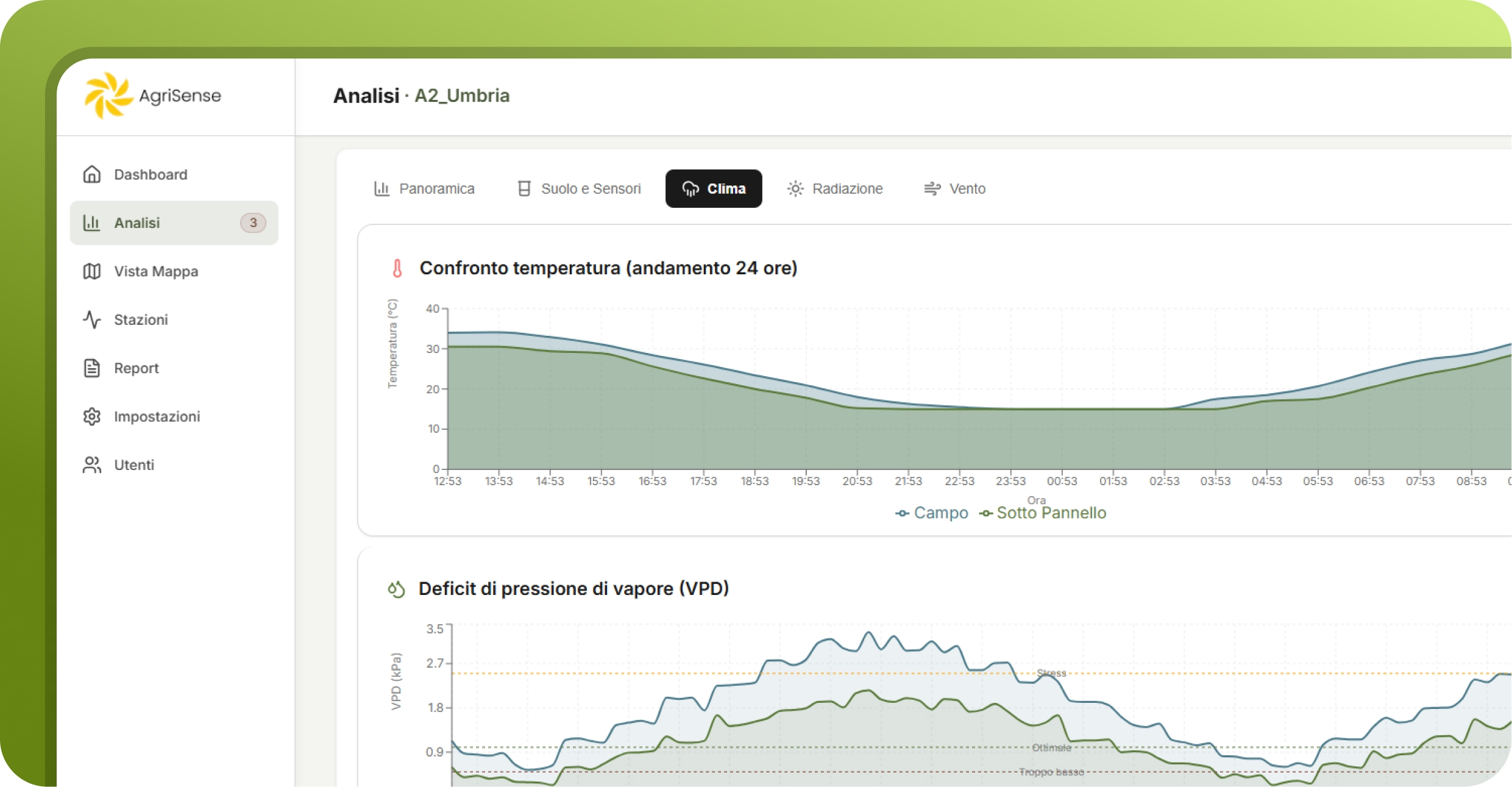
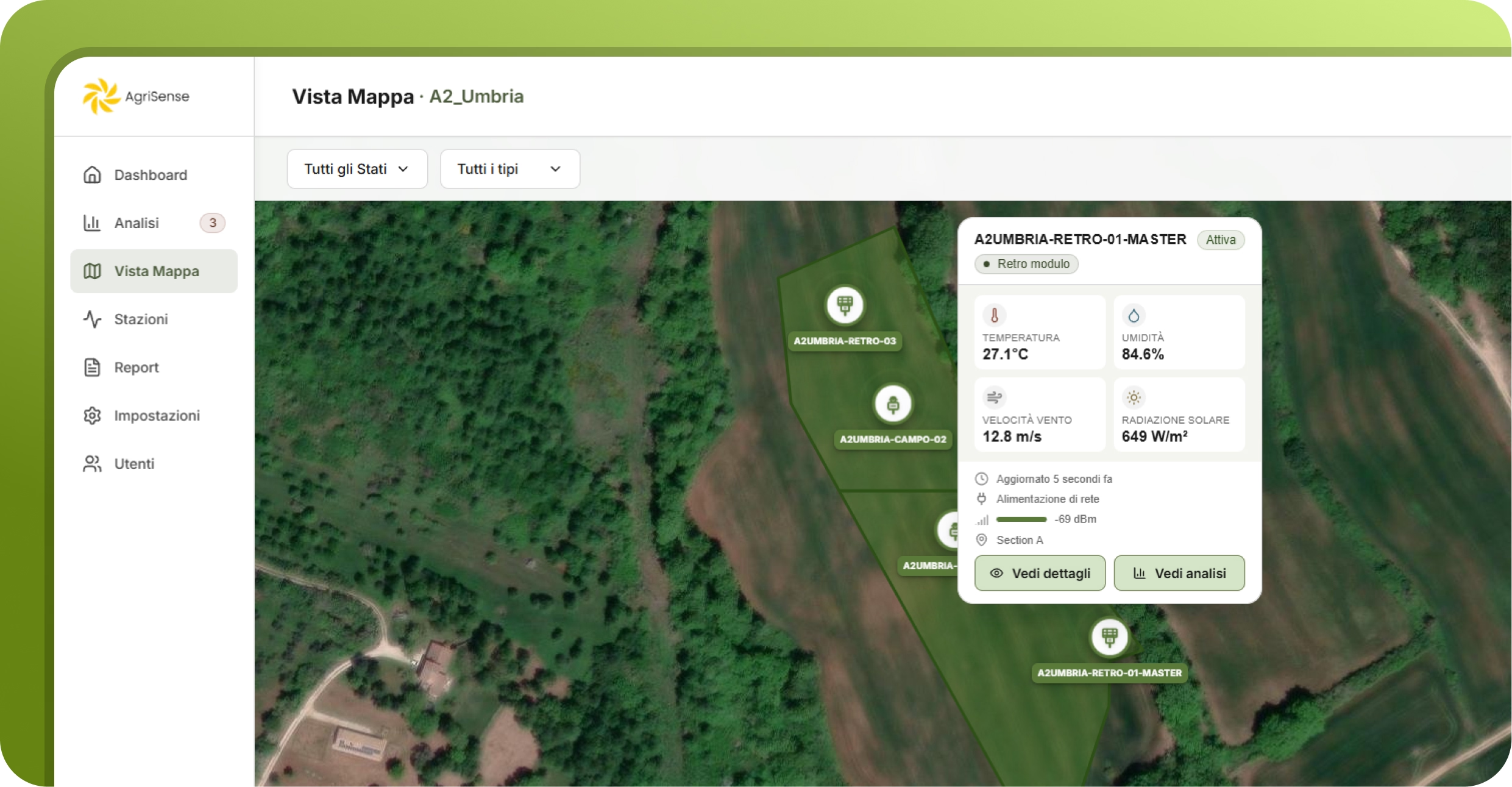
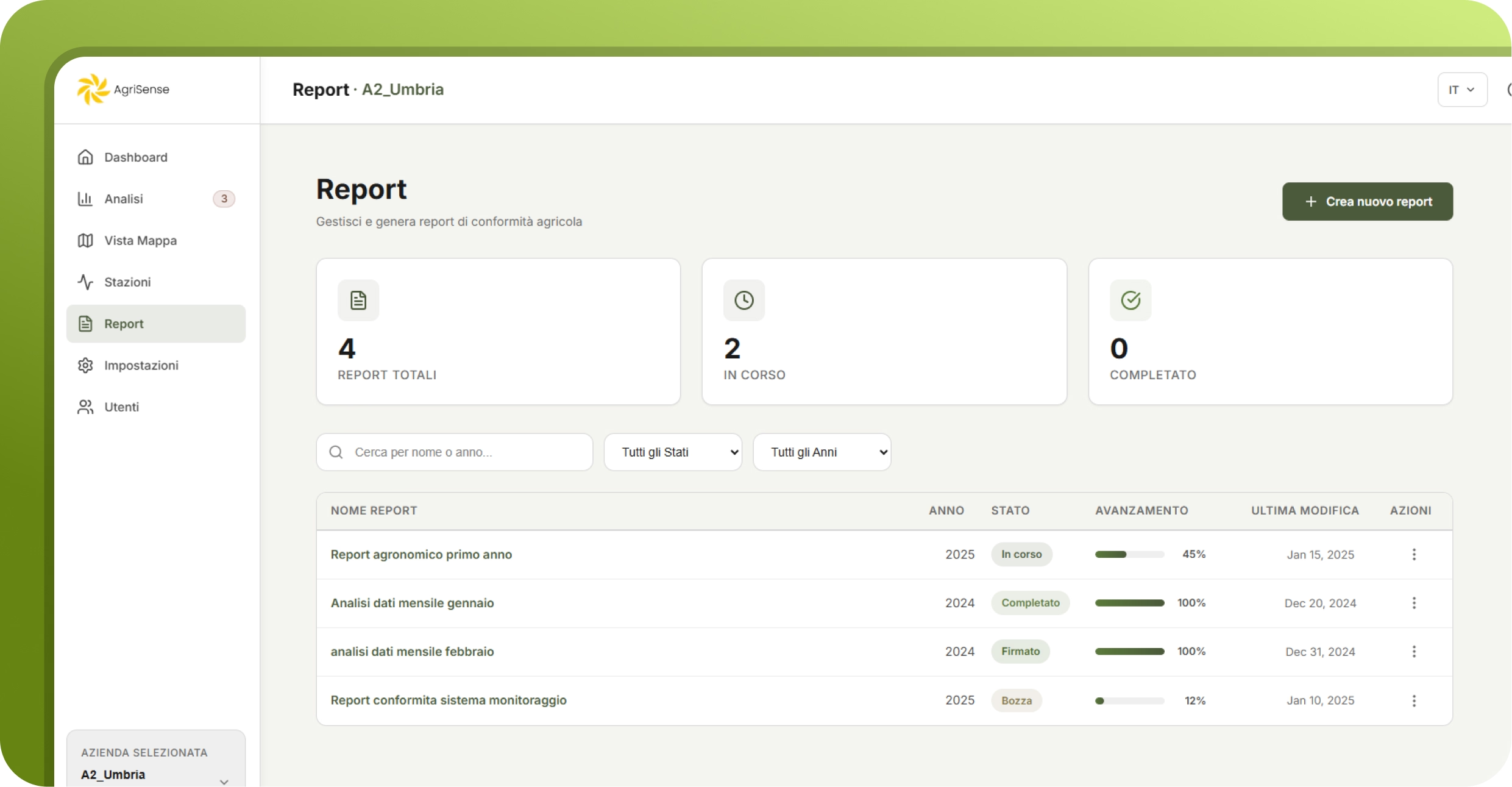
Clurasense produces weather stations meant to measure the impact of photovoltaic power plants on crops, using a suite of 6 sensors which measure up to 12 environmental parameters. The data is then sent back to our servers, where it is analyzed and displayed on a web app made for agrivoltaic power plants, photovoltaic plants under which crops or livestock grow.
How did it start? I was working on the build-out of 2 MW of agrivoltaic power plants, and one of the requirements set by the GSE, the Italian authority on energy, was to install weather stations precisely to do this. I looked on the market, but what was available was expensive and not made for this job. It would have required extensive effort to compile all of the data, find trends, compare it, and so on. Given the number of power plants being built (approximately 1.2 GW), the lack of options, and my own need first and foremost for my own projects, I saw an opportunity, which I took.
For the weather stations I found an OEM manufacturer in China that I used to develop the sensors and the hardware for our specific application. Then, to reduce costs, I found a metal manufacturer to produce the structural parts of the station to spec, based on my design, which focused not only on the practicality of shipping but also on visual appeal.
After one prototype the design was ready. I started advertisements through Google and Meta ads, then researched every single company building the power plants and tried to contact them.
Lastly we went to a fair in Italy focused on solar power plants, as visitors, to try and find every single EPC and engineering firm building agrivoltaics and partner with them, showing them our true advantage over every competitor: our software.
Gallery
What worked
- Went from idea to working product in 4 months, using an OEM manufacturer to shrink production times, and developing the software in parallel so both were ready at the same time. A significant improvement on the Clura Enclosure.
- Profitable from day one: 10 stations sold, so 5 MW of power plants run our systems.
- Learned on the fly and did not commit too many mistakes on CE certificates and logistics.
Mistakes Made
In every project I made mistakes. For each one I wrote: what went wrong, why it arose, and what it taught me.
Didn't understand the actual timelines our customers were working to
- Why it arose
- We believed October was already too late to start, since the deadline to build the power plants was June 2026. That turned out to be completely false: very few companies will finish by then, and the deadline has since been extended.
- What I learned
- Fear of being late made us go fully OEM, which raised our costs by at least 30% and made us less competitive on price than if we had developed some of the hardware ourselves. Check the deadline your customers actually operate to before you let it dictate your architecture.
Didn't check European trademarks before naming the company and the products
- Why it arose
- The naming was treated as a branding exercise, not a legal one.
- What I learned
- We had to rebrand mid-marketing. Luckily this was caught quite early, which let us land some of our biggest clients under the new name. Check copyrights and trademarks before the name goes on anything.
Overestimated how many replies we would get from direct outreach
- Why it arose
- We focused on contacting clients and reaching the entrepreneurs who had built the power plants, people who weren't yet looking for anything.
- What I learned
- 80% of the customers we secured came through Google Ads and our site: people who were already searching for weather stations. Sell to demand that already exists before trying to create it.
Spent an excessive amount on Facebook ads for leads that never converted
- Why it arose
- The leads were genuinely tied to real agrivoltaic plants, so the targeting looked right, but they were not searching for a solution, so they were not ready to buy.
- What I learned
- Intent matters more than fit. Put the budget where people are already looking.
Used AWS by default instead of running it on a server we built
- Why it arose
- AWS was the obvious choice without anyone sizing the actual workload.
- What I learned
- The AWS bill doesn't really go below $100 a month, and our workload will never be intensive: we store hundreds of bytes per station. Running our own server would have kept the burn lower.
Tried to import SIM cards into China
- Why it arose
- It seemed simplest to have the SIMs installed at the factory with everything else.
- What I learned
- Importing SIM cards into China is almost impossible: they are an easy way to violate the firewall. Time and money went into getting a few in. The right answer was to ship everything to our warehouse first, install them locally, and then ship the finished products to customers.
Didn't keep track of every lead in an organized way
- Why it arose
- Leads arrived faster than the process for handling them.
- What I learned
- Keep every lead tracked, with a structured and automated way to reach them by email and WhatsApp, and then call them.